
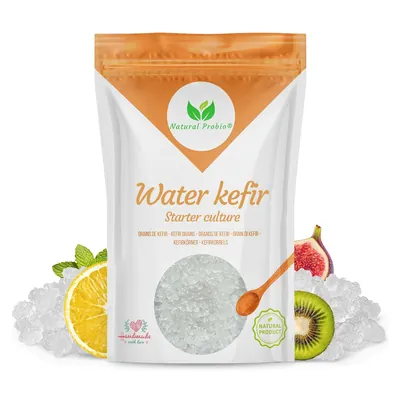
 Water kefir
 Milk kefir
 Kombucha
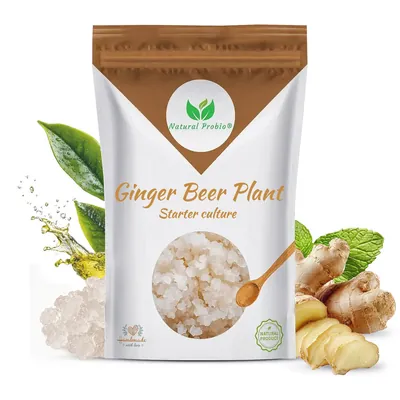 Ginger beer
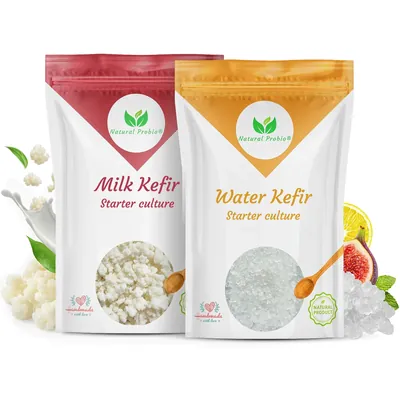 Kefir duo
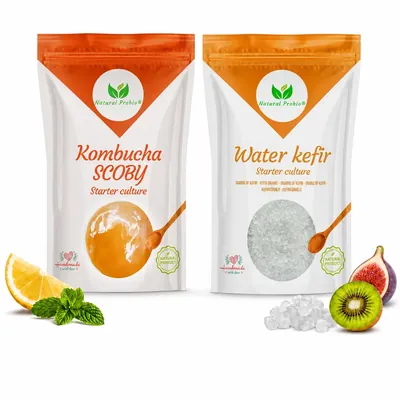 Kefir and kombucha
 Starter kit
 Rennet
Water kefir is fruity, mild and lightly sparkling, ready after 24 hours in the jar, with more fizz after a second fermentation of 24 to 48 hours in the bottle. Ginger beer is hot, dry and spicy, with a firm, fine fizz: 24 to 48 hours in the jar and 48 hours in the closed bottle. Water kefir is the everyday drink with endless flavours; ginger beer is the one with character, for meals and alcohol-free cocktails. If you like both, keep both.
Two cousins with different personalities
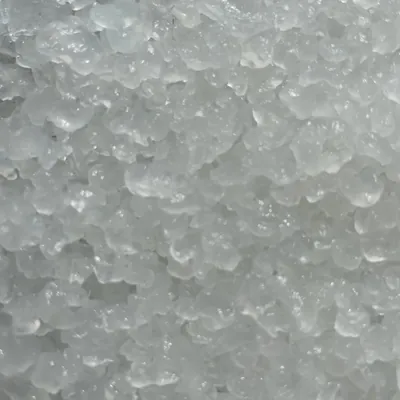
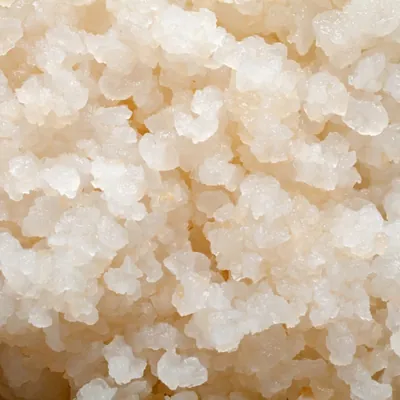
At first glance the two cultures look very alike. Water kefir grains and the ginger beer plant are both translucent, jelly-like grains made up of yeasts and bacteria. Both go into water with sugar and a dried fig, both are strained off and used again and again, and both grow as you go.
The difference lies in the make-up of each culture and in what you put with it. Water kefir gives a fresh, lightly tangy base that goes in any direction: lemon, fruit, herbs, flowers. The ginger beer plant works best with fresh ginger and makes a drier, sharper drink with a firmer fizz. Water kefir is the all-rounder; ginger beer is the specialist.
The differences at a glance
| Water kefir | Ginger beer | |
|---|---|---|
| Culture | Water kefir grains, also called tibicos or sugary kefir grains | Ginger beer plant, finer and softer grains |
| Per litre | 30 g grains, 4 tablespoons sugar (about 60 g), 1 dried fig, 1 slice of lemon | 20 g grains, 60 g sugar, 2 slices of fresh ginger, 1 dried fig |
| In the jar | 24 hours at 20 to 25°C | 24 to 48 hours |
| In the bottle | 24 to 48 hours, with fruit | 48 hours |
| Taste | Fruity, mild, lightly tangy | Hot, dry, spicy |
| Fizz | Light to lively, depending on the bottle | Firm and fine, with a creamy head |
| Flavours | Endless: any fruit, any herb, any season | Built around ginger: more or less heat, lemon or lime |
| Rhythm | Every day or every other day | Every one to two days |
| Alcohol | Traces, usually under 1% | Traces, usually under 1% |
Taste: fresh and fruity, or hot and dry?
After its first fermentation, water kefir tastes lightly sweet, fresh and a little tart, somewhere between a light lemonade and a hint of cider. It finds its real flavour in the bottle: strawberries in summer, elderflower from the hedgerows in June, rhubarb from the garden in spring, lemon and ginger all year round. Recipes such as lemon and ginger water kefir and strawberry water kefir show how far you can take it.
Ginger beer is more outspoken. The ginger catches the back of your throat, the drink is drier, and the bubbles are finer and last longer. With plenty of lime and mint it becomes an alcohol-free Moscow mule; with more lemon and less ginger, a gentle lemon ginger ale. If you love the heat of fresh ginger, water kefir flavoured with ginger is a milder cousin, but never quite the same thing.
Time and effort
Neither takes much work, but both like a routine. Water kefir is the quicker of the two: every day, or every other day, you strain, make fresh sugar water and you are done. The grains work best on a steady rhythm, and a few minutes a day gives you a bottle in the fridge at all times.
Ginger beer is a little more patient. The first fermentation can run to 48 hours, and the bottle needs another 48 after that. So you start a batch every one or two days and drink it three or four days later. For a steady supply, run two jars started a day apart.
Going away for a week? Both cultures go into fresh sugar water in a closed jar in the fridge. How that works for water kefir in detail is in Caring for water kefir grains.
incl. VAT, plus delivery (free from £35)
Which one to choose
- You want something fresh in the fridge every day, for lunch or after a walk: water kefir.
- You love fruit and want to try something new every week: water kefir.
- You want a drink that stands up to a curry, a stew or a plate from the barbecue: ginger beer.
- You like making alcohol-free cocktails for birthdays and parties: ginger beer.
- You find shop-bought ginger drinks too sweet but love the flavour: ginger beer.
- You cannot decide: have both. They get on fine, as long as the jars are not right next to each other.
Keeping both
Plenty of people who start with one add the other a few weeks later. The work is almost the same: sugar water, a fig, a sieve. Water kefir gives you the everyday drink, ginger beer the one for the weekend. Keep the jars a metre or so apart and use a separate sieve for each culture so the grains do not get mixed up.
Add kombucha and you have a third flavour in the house: tea, tart and dry. How that compares with water kefir is in Water kefir or kombucha?, and if you are still not sure which drink is for you, Which ferment suits me? will point you in the right direction.
A week with both
What does that look like in practice? Here is one way. Every morning you strain the water kefir, start a fresh litre and pour the drink into a swing-top bottle with some fruit. On Monday, Wednesday and Friday you also start a litre of ginger beer. Two days later it goes into the bottle, and two days after that into the fridge. By Saturday you have a few bottles of fruity water kefir for the daytime and a bottle of fiery ginger beer for dinner or the match. Come a bank holiday weekend or a summer barbecue, that is a table full of homemade fizz for the whole family. It takes a quarter of an hour a day at most, usually less.
What it costs
With both, you buy the culture once. After that you pay only for sugar, a fig, a lemon or a piece of ginger per litre. The grains multiply, so after a while you can make more without buying anything else. Water kefir grains come in 30 g, enough for a litre a day, or 60 g for 2 litres. The ginger beer plant comes as 20 g, enough for a litre per batch. Ordered together, they bring you close to the £35 from which standard tracked delivery across the UK is free, and with the 60 g grains you are there. Below £35, standard delivery is £4.90; express tracked delivery is £14.90. All prices include VAT.
Frequently asked questions
Can I make ginger beer with water kefir grains?
Which is easier for beginners?
Can I mix the two cultures?
Which one is fizzier?
Start with the one that tempts you most: water kefir grains from £11 or the ginger beer plant for £14. The method for ginger beer is in How to make ginger beer, and the basic water kefir recipe in How to make water kefir. Everything else is on the ginger beer page.